The Douro Valley’s breathtaking landscapes are defined by its iconic terraced vineyards, a masterpiece of human ingenuity and resilience. At the heart of this UNESCO World Heritage site are the schist stone walls that support these terraces, enabling the cultivation of vines on the region’s steep slopes for centuries. For visitors on Douro tours and wine adventures, these walls offer not only a glimpse into the valley’s history but also a testament to its enduring spirit.
The Role of Schist in the Douro Valley
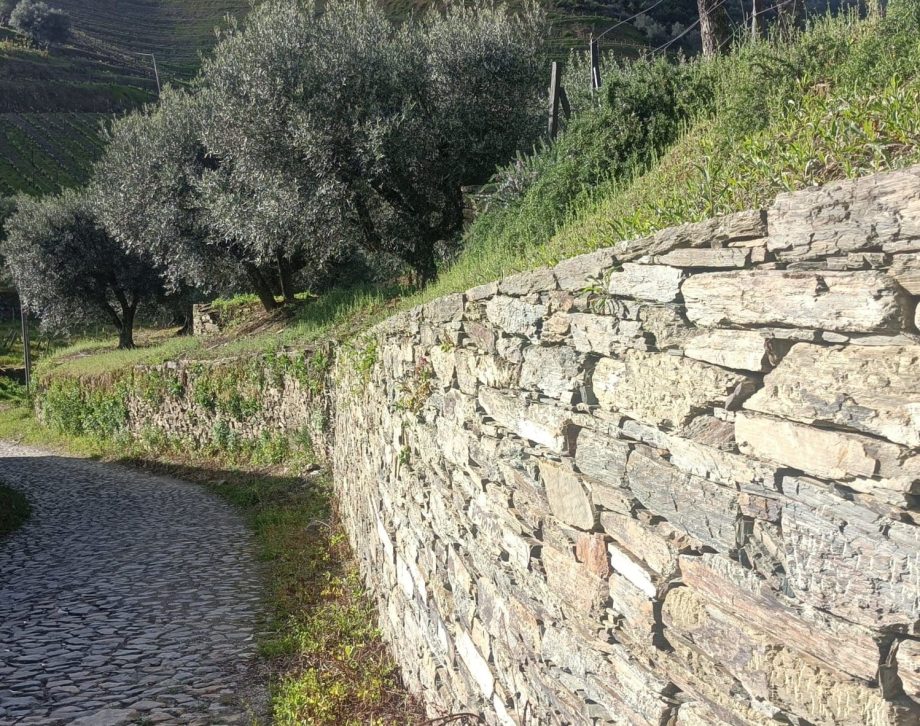
Schist, a type of metamorphic rock abundant in the Douro Valley, has been a cornerstone of the region’s winemaking tradition. Its unique properties—durability, ability to retain heat, and its layered structure—make it an ideal material for constructing the terraces that define the valley’s landscape.
The dry-stone walls, built without mortar, are marvels of engineering. They retain the soil, prevent erosion, and create microclimates that are crucial for the growth of the Douro’s world-famous grape varieties. The thermal properties of schist also help regulate the temperature of the soil, protecting vines from extreme weather conditions and fostering the slow, even ripening of grapes.
Building the Terraces: A Labor of Love
The construction of schist stone walls is a painstaking process that has been honed over generations. Using simple tools and immense skill, workers carefully stack schist stones to create terraces that can withstand the weight of the soil and the challenges posed by the valley’s steep gradients.
The effort involved in building and maintaining these walls is monumental, reflecting the dedication and ingenuity of the Douro’s winemaking communities. Each wall is a work of art, embodying centuries of tradition and a deep respect for the land.
Schist Stone Walls and Douro Tours
For those exploring the Douro Valley, the schist stone walls offer a fascinating insight into the region’s cultural and agricultural heritage. Many Douro wine tours include visits to quintas (wine estates) where visitors can see these walls up close and learn about their significance in viticulture.
Key highlights for visitors include:
- Terraced Vineyards: Walk through the terraced vineyards to appreciate the scale and beauty of the schist walls.
- Guided Tours: Knowledgeable guides share stories about the history and construction of the walls, adding depth to your visit.
- Wine Tastings: Enjoy a glass of port or table wine as you take in the views of the terraced slopes, a living testament to human ingenuity.
Preserving a Legacy
The preservation of schist stone walls is essential to maintaining the Douro Valley’s unique character and ecosystem. Efforts are underway to ensure these structures endure, including training programs for stone wall construction and initiatives to protect the valley’s heritage.
Conclusion
The schist stone walls of the Douro Valley are more than architectural features; they are the foundation of the region’s winemaking success and a symbol of its enduring legacy. For visitors, these walls offer a tangible connection to the past and a deeper appreciation for the beauty and resilience of the Douro landscape. A journey to the Douro Valley is incomplete without marveling at these timeless structures that continue to shape one of Portugal’s most iconic regions.