The Douro Valley, a land steeped in winemaking tradition, is known for its time-honored methods of crafting world-renowned Port and table wines. Among these methods, the use of the lagar for grape pressing has been a defining feature of the region’s heritage. In recent decades, the mechanical lagar has emerged as a modern evolution of this practice, blending tradition with technology to preserve quality while improving efficiency. For visitors exploring the Douro through wine tours, this innovation offers a fascinating glimpse into the region’s ability to adapt while honoring its roots.
The Traditional Lagar: A Brief History
Traditionally, lagars are shallow granite or schist troughs where grapes are crushed underfoot by teams of workers in a process known as “pisa a pé”. This method, practiced for centuries, is celebrated for its gentle extraction of juice, preserving the grapes’ flavors and tannins. The human touch ensures a delicate balance, allowing the production of high-quality wines with rich complexity.
However, as the demand for Douro wines has grown, so too has the need for more efficient methods that retain the essence of traditional winemaking.
Enter the Mechanical Lagar
The mechanical lagar was developed to replicate the gentle, thorough pressing of the traditional pisa a pé while addressing the challenges of scalability and labor intensity. These modern devices are designed to mimic the human foot’s pressure, ensuring that the grape skins, seeds, and juice are treated with care to extract the best qualities for fermentation.
How It Works
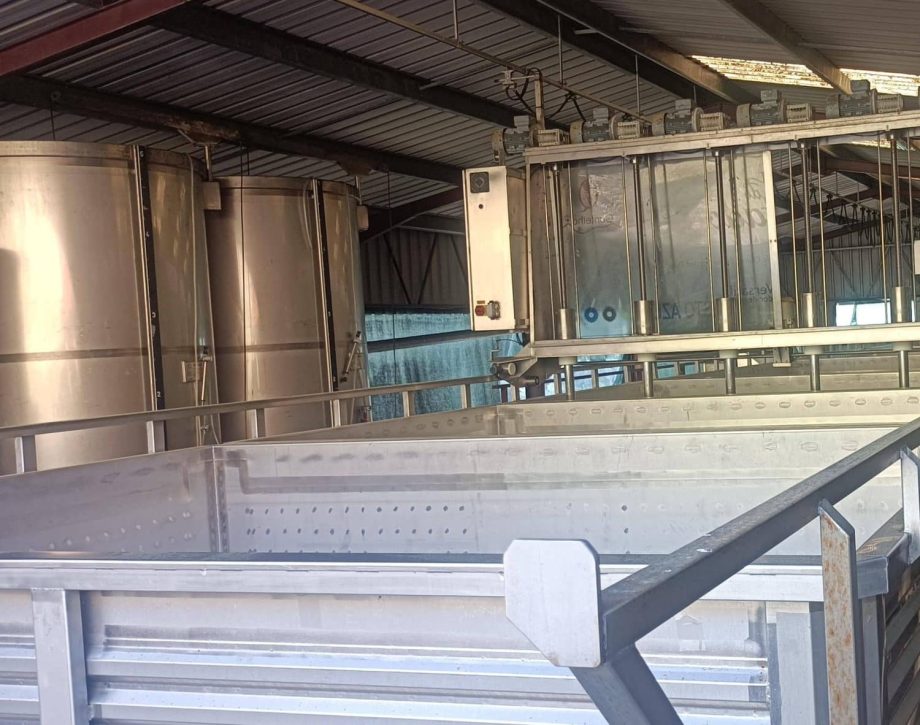
The mechanical lagar consists of a rectangular stainless steel tank equipped with robotic arms or pistons that simulate the rhythmic movement of human feet. Grapes are loaded into the tank, and the machine’s precise control over pressure and timing ensures optimal extraction of flavors, colors, and tannins. The process is monitored to maintain consistency and quality, making it a valuable tool for both small and large-scale producers.
The Mechanical Lagar and Douro Wine Tours
For visitors to the Douro Valley, the mechanical lagar provides a unique perspective on the region’s winemaking evolution. Many quintas (wine estates) include demonstrations or explanations of this technology as part of their tours, offering insights into how tradition and innovation coexist.
Highlights for visitors include:
- Comparing Methods: Experience both traditional “pisa a pé” and the mechanical lagar to understand their similarities and differences.
- Behind-the-Scenes Access: Learn about the engineering and craftsmanship that go into designing mechanical lagares.
- Wine Tastings: Enjoy wines crafted using both methods, allowing you to taste the results of this technological advancement.
Preserving Tradition While Embracing the Future
The mechanical lagar is not just a technological upgrade; it is a testament to the Douro Valley’s commitment to preserving its winemaking heritage while meeting modern demands. By replicating the essence of “pisa a pé”, these machines ensure that the quality and character of Douro wines remain uncompromised.
Conclusion
The mechanical lagar represents the Douro Valley’s harmonious blend of tradition and innovation. For wine enthusiasts and travelers, it offers a deeper appreciation of the region’s adaptability and dedication to excellence. Whether you’re stepping into a traditional lagar or observing a mechanical one in action, the story of Douro winemaking continues to captivate and inspire.