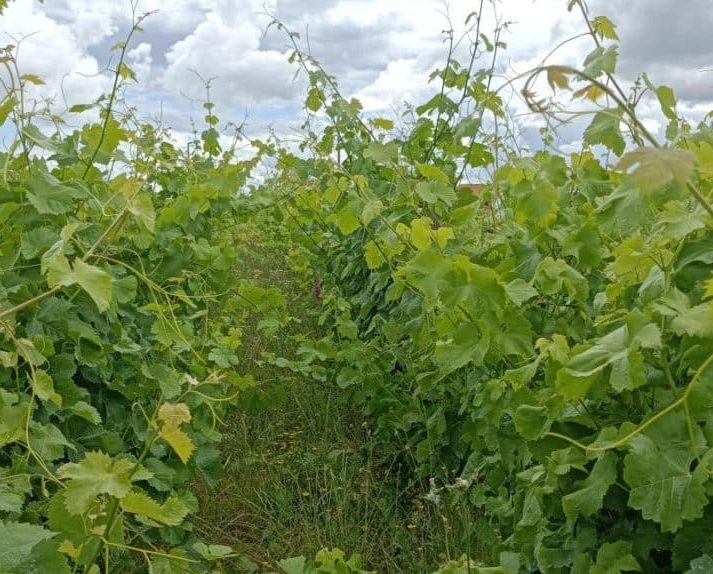
Green pruning, also known as summer pruning, is an essential vineyard management practice that involves the removal of excess vegetation during the growing season. This practice helps to optimize the health and productivity of the grapevines. Here are some key aspects of green pruning:
1. Objectives of Green Pruning:
- Improving Sunlight Exposure: Ensures that grape clusters and leaves receive adequate sunlight, which is essential for photosynthesis and the development of grape sugars.
- Enhancing Air Circulation: Reduces the risk of fungal diseases like powdery mildew and botrytis by improving airflow around the grape clusters and foliage.
- Controlling Vigour: Balances the growth of the vine, directing energy towards fruit development rather than excessive vegetative growth.
- Improving Fruit Quality: Leads to better ripening and uniformity of the grape clusters, which is crucial for producing high-quality wine.
- Facilitating Harvest: Makes it easier to see and access the grape clusters during harvest.
2. Techniques of Green Pruning:
- Shoot Thinning: Removing excess shoots to reduce overcrowding and focus the vine’s energy on the remaining shoots.
- Leaf Removal: Selective removal of leaves around the grape clusters to improve sunlight exposure and air circulation. This is typically done on the side of the vine receiving the morning sun to avoid sunburn.
- Topping: Cutting back the growing tips of shoots to control vine height and encourage the development of lateral shoots and clusters.
- Cluster Thinning: Removing some grape clusters to ensure the remaining clusters receive more resources and ripen more evenly. This is particularly important in high-yielding varieties or in vigorous growing conditions.
- Lateral Shoot Removal: Removing secondary shoots that can crowd the vine and compete with the primary shoots for nutrients.
3. Timing of Green Pruning:
- Early Season: Shoot thinning is usually done in the early stages of vine growth, shortly after bud break.
- Pre-Veraison: Leaf removal and cluster thinning are often performed before veraison (the onset of ripening) to optimize conditions for the ripening process.
- Post-Veraison: Some additional leaf removal or fine-tuning of the canopy can be done after veraison if needed.
4. Benefits of Green Pruning:
- Disease Management: By improving air circulation and reducing humidity around the clusters, green pruning helps to minimize the incidence of fungal diseases.
- Optimized Ripening: Enhanced sunlight exposure and reduced competition among clusters lead to more uniform and higher quality ripening.
- Vine Balance: Helps maintain a balance between vegetative growth and fruit production, which is critical for the long-term health and productivity of the vine.
- Improved Harvest Efficiency: Clearer visibility and easier access to the grape clusters facilitate a more efficient and effective harvest.
5. Challenges and Considerations:
- Labour Intensive: Green pruning is a manual process that can be labor-intensive and time-consuming.
- Skill Required: Requires knowledge and skill to make precise and effective pruning decisions.
- Risk of Sunburn: Overzealous leaf removal can expose clusters to too much sunlight, leading to sunburn and potential damage to the grapes.
Green pruning is a crucial practice in viticulture that significantly impacts the quality and health of the grapevines and the resulting wine. By carefully managing the canopy and fruit load, vintners can optimize their vineyards for the best possible outcomes.