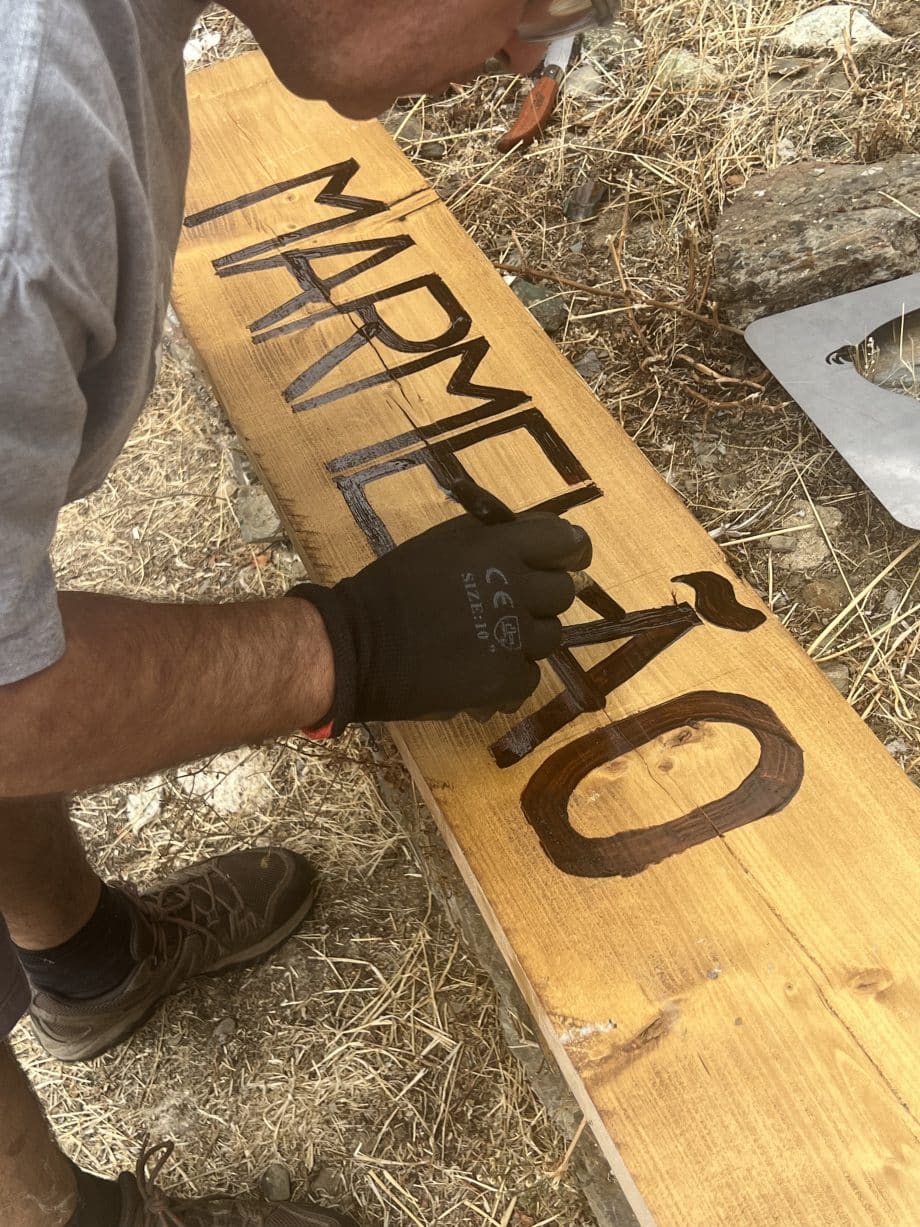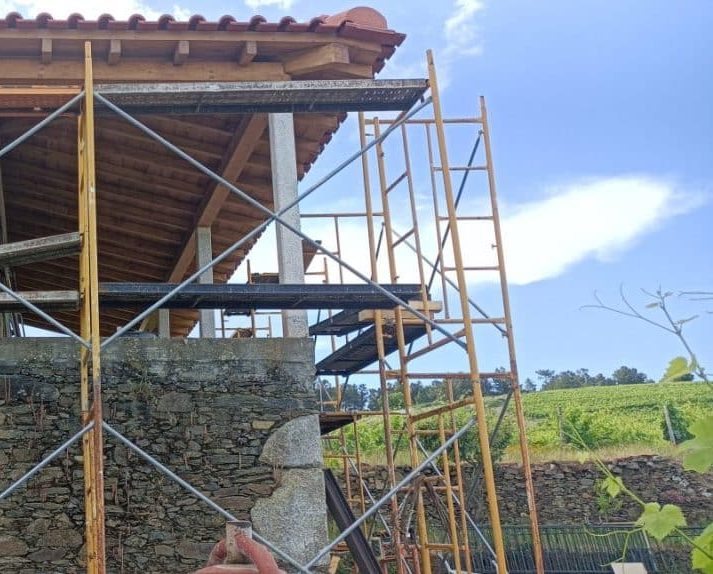
Restoring Marmelão porch, a traditional Portuguese porch, involves several steps to preserve its historical and architectural integrity while ensuring it is functional and safe. Here is a comprehensive guide of what we made in our restoration process:
1. Assessment and Planning:
- Initial Inspection: Conduct a thorough inspection to identify the extent of the damage or wear. Look for issues like wood rot, structural damage, peeling paint, and any other signs of deterioration.
- Historical Research: Gather information on the original design, materials, and construction techniques used in Marmelão porches to ensure an accurate restoration.
- Permits and Regulations: Check local regulations and obtain any necessary permits before beginning the restoration. Ensure that our plans comply with heritage preservation guidelines if the porch is part of a listed property.
2. Materials and Tools:
- Materials: Traditional materials include wood, stone, and tiles. Choose materials that match the original ones as closely as possible.
- Tools: Common tools needed include saws, hammers, chisels, paint scrapers, sanding equipment, and protective gear.
3. Structural Repairs:
- Foundation and Support: Check the foundation and structural supports for stability. Reinforce or replace any damaged or weakened parts.
- Woodwork: Replace any rotten or damaged wood with new wood that matches the original type and dimensions. Ensure that the new wood is treated for durability and resistance to the elements.
- Joinery: Use traditional joinery techniques to maintain the porch’s authenticity. Mortise and tenon joints, dowels, and wooden pegs are common in traditional construction.
4. Surface Restoration:
- Paint and Finishes: Remove old paint and finishes using scrapers, heat guns, or chemical strippers, taking care not to damage the wood. Sand the surfaces smooth before applying new paint or varnish.
- Tiles and Stonework: Clean and repair any tiles or stone elements. Replace broken or missing tiles with replicas that match the original design.
5. Decorative Elements:
- Ornamentation: Restore decorative elements such as moldings, brackets, and balustrades. If parts are missing or too damaged to repair, consider having replicas made by skilled craftsmen.
- Ironwork: If the porch has iron railings or other metal elements, remove rust, repair any damage, and repaint with a rust-resistant finish.
6. Final Touches:
- Weatherproofing: Ensure that the porch is properly sealed and weatherproofed to protect it from future damage. This may include applying sealants, caulking joints, and installing weatherstripping.
- Lighting and Electrical: If the porch has lighting or electrical fixtures, ensure they are safe and up to code. Replace outdated wiring and fixtures as needed.
- Furniture and Decor: Choose furniture and decor that complement the historical style of the porch while providing comfort and functionality.
7. Maintenance Plan:
- Regular Inspections: Schedule regular inspections to catch any issues early before they become major problems.
- Cleaning: Keep the porch clean and free of debris. Regularly clean surfaces to prevent the buildup of dirt and grime.
- Repairs: Address minor repairs promptly to prevent them from escalating into more significant issues.
Conclusion:
Restoring the Marmelão porch was a rewarding project that preserves a piece of architectural heritage. By following these steps and paying attention to detail, we bring a new life to our porch while respecting its historical significance.