
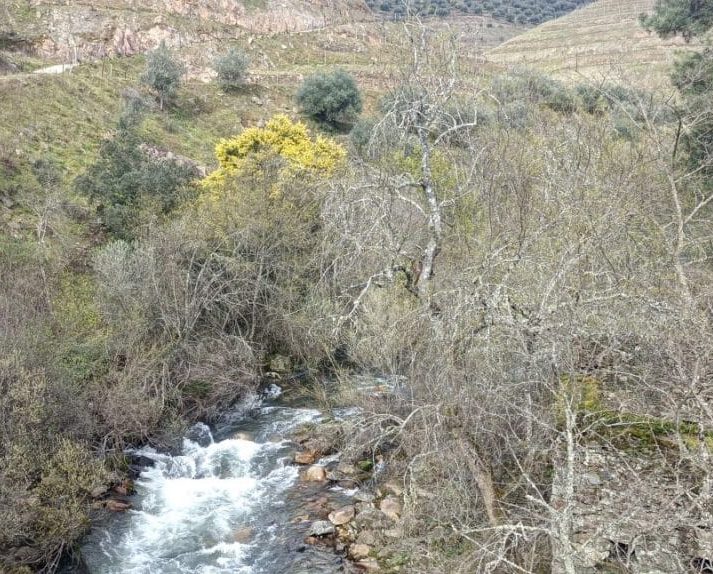
The Pinhão River is a significant tributary of the Douro River, flowing through the heart of the Douro Valley in northern Portugal. Here’s a closer look at the Pinhão River and its importance within the Douro Valley:
- Location: The Pinhão River originates in the northeastern part of Portugal, near the Spanish border. It flows southwestward, joining the Douro River near the town of Pinhão, within the Douro Valley region.
- Scenic Beauty: The Pinhão River, like the Douro River itself, is known for its stunning natural beauty. As it winds through the valley, it passes by terraced vineyards, olive groves, and almond orchards, creating picturesque landscapes that are characteristic of the Douro Valley.
- Vineyards and Quintas: Many of the renowned vineyards and wine estates (quintas) in the Douro Valley are located along the banks of the Pinhão River. These vineyards produce grapes for the region’s famous Port wines as well as other table wines. Visitors to the area often take boat tours or scenic cruises along the Douro River to admire the vineyard-covered hillsides and learn about winemaking in the region.
- Historic Bridges: The Pinhão River is spanned by several historic bridges, some of which date back centuries. These bridges not only serve as important transportation links but also add to the charm and character of the region. One notable example is the iron bridge in Pinhão town.
- Tourism and Recreation: The Pinhão River, with its tranquil waters and scenic surroundings, offers opportunities for recreational activities such as boating, kayaking, and fishing. Additionally, the river and its banks are popular spots for picnicking and enjoying leisurely walks or bike rides.
- Cultural Heritage: The Pinhão River, like the Douro River, has played a significant role in the cultural and economic history of the region.
Overall, the Pinhão River is an integral part of the Douro Valley landscape, contributing to its beauty, agricultural productivity, and cultural richness. It serves as a reminder of the close relationship between the people of the region and the rivers that have shaped their way of life for generations.

