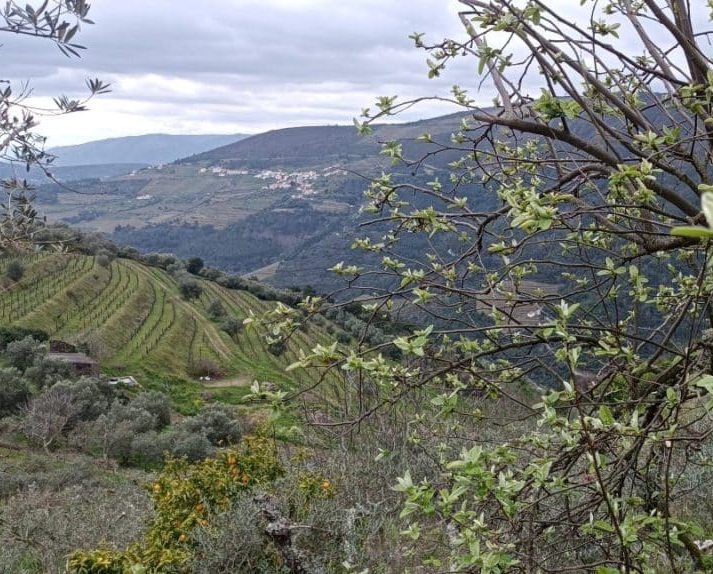
Quince fruit is not as commonly associated with the Douro Valley as some other fruits like grapes for wine production. However, quince trees can indeed be found in the region, often in orchards or private gardens. Quince is a hardy fruit that grows well in Mediterranean climates, which includes parts of Portugal, including the Douro Valley.
Here’s how quince fruit might relate to the Douro Valley:
- Local Cultivation: While grapes dominate agricultural landscapes in the Douro Valley due to its significance in winemaking, there are also other fruits grown in the region, including quince. Local farmers or small-scale producers may cultivate quince trees alongside vineyards or in separate orchards.
- Traditional Cuisine: Quince has been used in traditional Portuguese cuisine for centuries, and it’s possible to find dishes or preserves featuring quince in the Douro Valley. In some cases, quince might be used to make jams, jellies, or desserts that are enjoyed locally or sold to tourists.
- Regional Products: While wine is undoubtedly the most famous product of the Douro Valley, the region also celebrates other local products. Quince-based products, such as jams or preserves, might be part of the offerings in local markets or specialty shops catering to tourists.
- Culinary Experiences: Visitors to the Douro Valley might encounter quince in various culinary experiences, such as farm-to-table meals or cooking classes. Chefs or hosts might incorporate quince into their menus to showcase the diversity of local ingredients and flavors.
Overall, while quince might not be as iconic to the Douro Valley as grapes and wine, it can still play a role in the culinary landscape and agricultural traditions of the region, adding a unique flavor to the local cuisine.