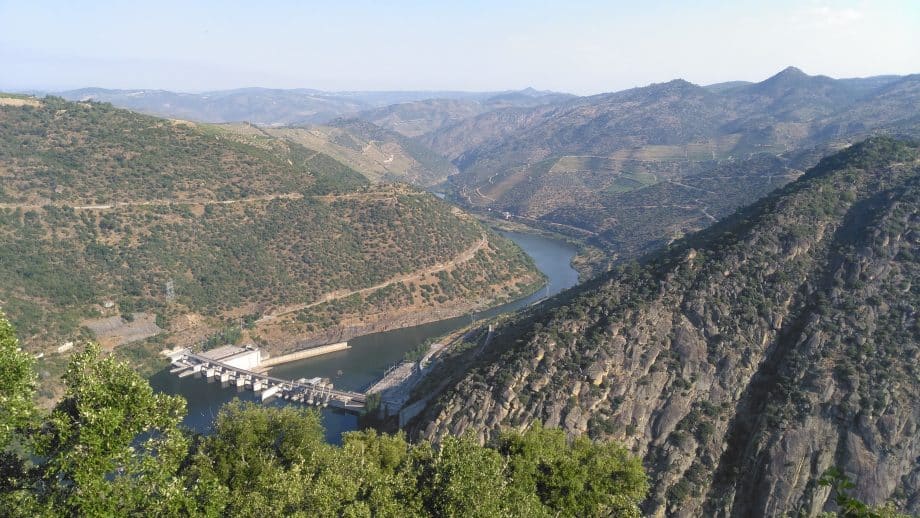
The Douro Valley, one of the world’s most stunning wine regions, has a long history intertwined with the river that runs through it. One of the most significant moments in its development was the removal of the Cachão da Valeira, a massive rock barrier that once obstructed navigation along the river. Today, the Valeira Dam stands in its place, but the impact of this historic transformation is still felt, especially in the expansion and growth of the Douro Superior region.
The Cachão da Valeira: A Natural Obstacle
For centuries, the Cachão da Valeira was one of the most dangerous and impassable obstacles on the Douro River. The enormous rock formation created treacherous currents and prevented boats from traveling further inland. As a result, the upper region of the Douro, known today as Douro Superior, remained isolated and underdeveloped compared to the lower Douro and Porto.
The Importance of Its Destruction
Recognizing the economic potential of opening the river for trade, Portuguese authorities decided to remove the Cachão da Valeira in 1780. The project was a major engineering feat for its time and allowed boats to finally navigate beyond the barrier, connecting the remote interior of the Douro Valley with the commercial hubs downstream.
The Transformation of Douro Superior
With the removal of the rock, the Douro Superior region experienced a significant transformation:
- Expansion of Vineyards: New land became available for wine production, leading to an increase in the number of vineyards.
- Economic Growth: The easier transportation of Port wine allowed the region to integrate into the global wine trade.
- Population Growth: The improved connection to other regions encouraged settlement and agricultural development.
From Cachão da Valeira to Valeira Dam
In the modern era, the Douro River has been further modified with a series of dams and locks, making navigation even easier. The Valeira Dam, constructed in the 20th century, now occupies the site of the old rock barrier, ensuring a controlled and navigable river for tourism and commerce.
Conclusion
The removal of the Cachão da Valeira was a turning point in the history of the Douro Valley. It opened the doors for the economic and cultural development of the Douro Superior, allowing it to become the thriving wine-producing region it is today. While the rock is long gone, its legacy lives on in every bottle of wine that originates from the once-isolated lands beyond its former location.