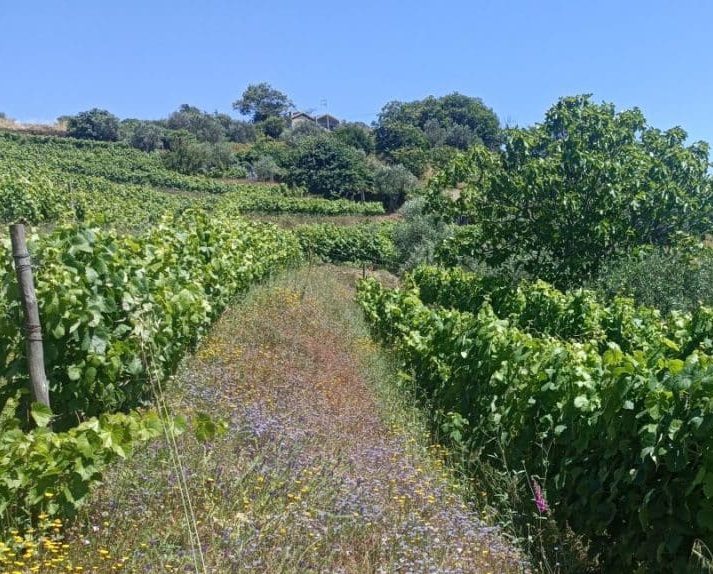
The lead berry phase in the vineyard refers to a critical stage in the development of grape berries. This phase is significant for several reasons, including its impact on the timing of harvest and the quality of the grapes. Here are some key aspects of the lead berry phase:
1. Definition:
The lead berry phase typically refers to the initial stage of grape berry development, where the leading or first berries to develop start to show significant changes. It is a part of the larger phenological stages of grape development.
2. Phenological Stages:
The development of grape berries goes through several stages:
- Bud Break: The first signs of new growth after winter dormancy.
- Flowering: Blossoms open and pollination occurs.
- Berry Set: Formation of small berries after successful pollination.
- Lead Berry Phase: Early growth and development of berries.
- Veraison: Onset of ripening, where berries change color and soften.
- Ripening: Berries accumulate sugars, flavors develop, and acids decrease.
- Harvest: Optimal ripeness achieved for desired wine style.
3. Importance of the Lead Berry Phase:
- Growth Monitoring: Helps viticulturists monitor the progress and health of the vine.
- Disease Management: Early intervention can prevent diseases like powdery mildew and botrytis bunch rot.
- Nutrient Management: Determines nutrient and water requirements to support healthy berry development.
- Predicting Harvest: Provides early indications of the potential yield and quality of the harvest.
4. Vineyard Management Practices:
- Canopy Management: Ensuring adequate sunlight and air circulation to the berries.
- Irrigation: Providing sufficient water without causing water stress or over-irrigation.
- Pest Control: Managing pests that can damage the developing berries.
- Thinning: Removing excess berries or clusters to improve the quality of the remaining fruit.
5. Indicators of a Healthy Lead Berry Phase:
- Berry Size: Uniform and consistent growth.
- Color: Consistent color development.
- Texture: Firm and healthy berry texture without signs of shriveling or disease.
Understanding and monitoring the lead berry phase is crucial for ensuring a successful grape harvest and producing high-quality wine. Viticulturists use this phase to make informed decisions about vineyard management to optimize berry growth and development.