A Liquid Gold of the Douro Valley
The Douro Valley is renowned worldwide for its exceptional wines, but its culinary treasures extend beyond the vineyards. Olive oil, often referred to as liquid gold, plays a pivotal role in the region’s gastronomy, enriching traditional dishes and reflecting the valley’s agricultural heritage. Exploring the Douro Valley’s olive oil traditions is a sensory journey that pairs beautifully with wine tours and scenic adventures.
A Tradition Rooted in History
The cultivation of olive trees in the Douro Valley dates back centuries, with techniques passed down through generations. The region’s terraced landscapes, perfect for grapevines, are also home to ancient olive groves. These groves thrive in the Mediterranean-like climate, producing high-quality olives that are hand-harvested and carefully pressed to create some of Portugal’s finest olive oils.
Olive Oil and the Douro Economy
Much like wine, olive oil has been a cornerstone of the Douro Valley’s economy. Many quintas (wine estates) also produce olive oil, making it a natural complement to the region’s winemaking traditions. Today, the production of artisanal olive oil is a growing industry, celebrated for its emphasis on quality and sustainability.
Olive Oil in Douro Valley’s Cuisine
In the Douro Valley, olive oil is more than just an ingredient—it’s a cornerstone of the local culinary identity. Its rich, fruity flavors enhance traditional Portuguese dishes, from hearty stews to fresh salads and baked goods.
Traditional Dishes Featuring Olive Oil
- Caldo Verde: This iconic Portuguese soup made with potatoes, kale, and chouriço gains depth from a drizzle of high-quality olive oil.
- Grilled Fish: Freshly caught river fish, such as trout, are often simply grilled and finished with olive oil and a sprinkle of sea salt.
- Broa de Milho: Cornbread, a staple in Douro Valley households, is often baked with olive oil for a moist, flavorful texture.
Olive Oil Tastings
Many quintas and local producers now offer olive oil tastings alongside wine tours. These tastings allow visitors to explore the subtle differences in flavor profiles, from peppery and robust to mild and buttery. Pairing olive oil with fresh bread, olives, and regional cheeses makes for an unforgettable gastronomic experience.
The Olive Harvest Experience
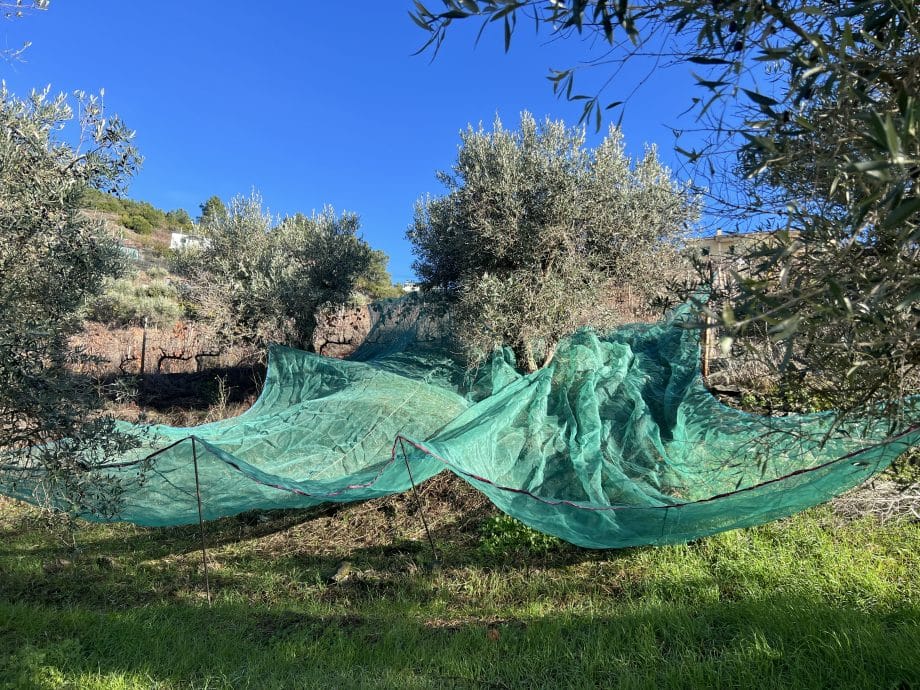
Visitors to the Douro Valley during the olive harvest season, typically from October to December, can participate in this age-old tradition. Quintas such as those near Provesende and Pinhão invite guests to join in harvesting olives, learning about the pressing process, and tasting the freshly produced oil.
Olive Oil and Sustainability
Sustainability is at the heart of olive oil production in the Douro Valley. Many producers use traditional methods that minimize environmental impact, ensuring the preservation of the region’s natural beauty and resources. By supporting these practices, visitors contribute to the valley’s sustainable future.
Bringing a Taste of the Douro Valley Home
A bottle of Douro Valley olive oil makes the perfect souvenir. Its versatility in the kitchen allows you to recreate the flavors of the region in your own home, whether drizzling it over salads, using it in marinades, or baking traditional Portuguese recipes.
Discover the Flavors of the Douro Valley
The role of olive oil in the Douro Valley’s culinary traditions is a testament to the region’s rich agricultural heritage and dedication to quality. Whether you’re exploring the olive groves, enjoying a tasting at a local quinta, or savoring dishes drizzled with this golden nectar, olive oil offers a unique and delicious way to connect with the valley’s culture.
Start planning your Douro Valley tour today and immerse yourself in the flavors of this extraordinary region.